

MIDsource Merchant Intel | Processing news, FAQs and payment strategy
Merchant Processing Insights, High Risk Strategy and Payment Cost Control
International payment processing for cybersecurity software
International

International Payment Processing for Cybersecurity Software Companies

June 24, 2026 MIDsource Editorial 7 min read
International payment processing for cybersecurity software
Global cybersecurity sales can benefit from acquiring relationships that support local currencies, authorization performance, and fraud controls.

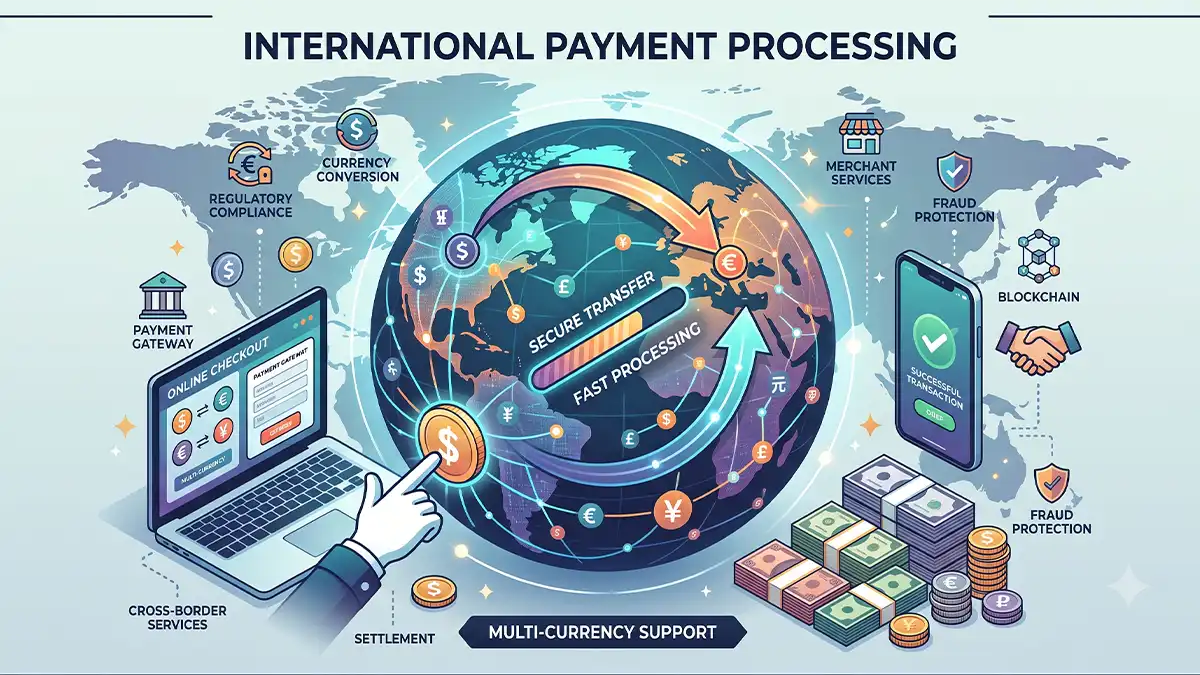
Cybersecurity software is naturally global. A VPN, antivirus, endpoint protection tool, or SaaS security platform may acquire customers in dozens of countries, but international card processing can create authorization and risk challenges.

Cross-Border Authorization Declines

Certain issuers decline cross-border transactions because of currency mismatch, geographic restrictions, fraud scoring, or unfamiliar merchant locations. The customer may want the product, but the transaction still fails.

For merchants, these declines reduce revenue and distort conversion data. The checkout may be working, the offer may be strong, and the customer may be legitimate, yet the acquiring setup may not match the global customer base.

Local Payment Preferences

  • Local currencies where practical
  • Regional payment options for target markets
  • Checkout language and pricing clarity
  • Fraud controls tuned to country and device patterns
  • Clear refund and support policies for international buyers

Multi-Currency Processing

Processing in the customer's native currency can improve authorization rates, customer confidence, and conversion rates. It can also reduce customer confusion because the billed amount more closely matches what the customer expected at checkout.

Multi-currency processing should be paired with clear disclosure, accurate receipts, and support teams that understand international refund and billing questions.

Fraud and Geographic Risk

International volume requires stronger monitoring. Geolocation screening, velocity controls, device fingerprinting, and risk-based transaction scoring help identify unusual activity before it turns into chargebacks.

The goal is not to block every non-U.S. transaction. The goal is to separate legitimate global demand from traffic patterns that create avoidable fraud and dispute exposure.

ChallengeCausePossible Improvement
Authorization declinesCurrency or country mismatchAcquiring setup designed for global software
Customer confusionUnexpected billed amountLocal currency and clear receipt language
Fraud exposureHigh-risk geographies or device patternsRisk scoring and velocity controls
Support disputesHard-to-reach supportVisible support paths and fast refund handling

When Global Merchants Need a Different Setup

If a cybersecurity company derives a meaningful share of revenue from international customers, domestic-only processing may hold it back. The merchant may need processor placement, gateway configuration, currency support, fraud tools, and reporting built around global software sales.

The right payment strategy should support authorization performance while keeping chargebacks, refunds, and VAMP exposure under control.

MIDsource works with cybersecurity, antivirus, VPN, and SaaS merchants that need payment processing capable of supporting global growth. Review payment gateway services or schedule a call.

Real Data: Global Checkout Is Not One-Size-Fits-All

Stripe notes that online businesses are increasingly selling overseas and that a 2023 Stripe study found 66% of businesses were preparing to sell in new countries. Stripe also explains that payment preferences vary widely by market, and that missing preferred methods can cut off customers from completing checkout.

International Expansion Signal

66%

Businesses in Stripe's cited 2023 study preparing to sell in new countries.

Checkout Friction Examples

Preferred payment method missing13%
Credit card declined8%
Did not trust card entry19%

Sources: Stripe payment methods guide and Baymard checkout abandonment research.

What Global Cybersecurity Merchants Should Add

Antivirus and VPN companies with global traffic should review local currency display, issuer decline patterns, country-by-country approval rates, alternative payment methods, refund language, fraud rules, and support coverage by time zone. This helps international volume look planned rather than accidental during underwriting.

Worldpay's 2026 Global Payments Report is another useful macro source because it frames modern commerce around speed, global payment expectations, and payment-method diversity. Worldpay source

SEO takeaway: Target "international payment processing cybersecurity software," "multi-currency SaaS payments," "VPN payment processor," "global antivirus merchant account," and "cross-border authorization declines."
Share:
MS

MIDsource Editorial

Merchant Processing Specialists - Thousand Oaks, CA

The MIDsource editorial team helps software, SaaS, cybersecurity, subscription, e-commerce, and high risk merchants understand underwriting, reserves, chargebacks, gateways, and long-term processing stability.

Have a Payment Question? Talk to MIDsource

Get clear answers about merchant accounts, processing fees, risk, gateways, and payment strategy.